Pullman Place
The Story
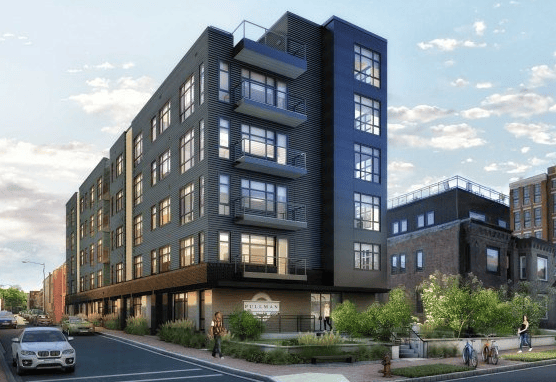
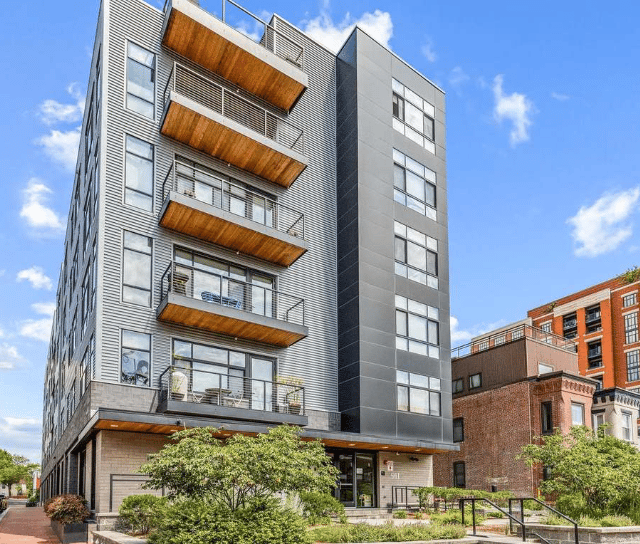
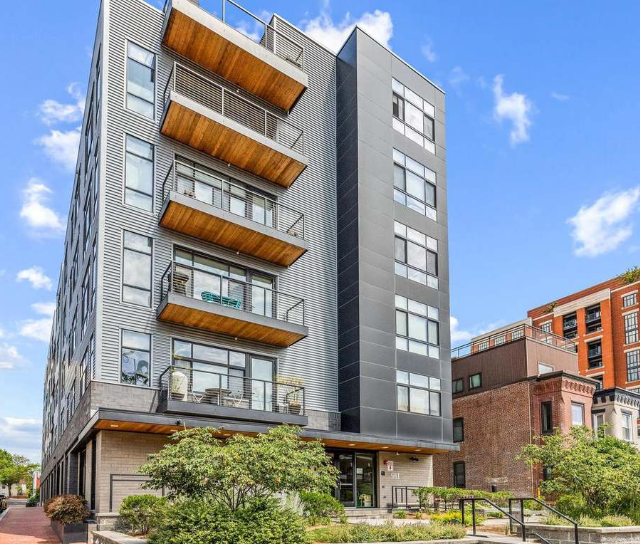
In the wake of the 2008 housing downturn, new condominium development in Washington, DC had become difficult to finance, leaving limited new supply in established urban neighborhoods. Northridge identified a boutique infill opportunity on the H Street Corridor that paired a manageable project scale with strong access to employment, transit and neighborhood amenities. The investment thesis was straightforward: deliver appropriately scaled, well-designed housing into a constrained market while using local relationships to navigate financing and execution risk.
The Opportunity & Risk
Opportunity
Limited new condominium development created an opening for appropriately scaled housing in an established urban neighborhood.
The site offered walkable access to the U.S. Capitol and major employment centers and sat three blocks from the H Street Streetcar connection to Union Station.
Challenge
Construction financing remained limited for new urban infill condominium projects following the housing downturn.
Sparse comparable sales created uncertainty around pricing and absorption, while construction delays or slower sales could extend the investment period and pressure returns.
From Thesis to Execution
Northridge's Approach
-
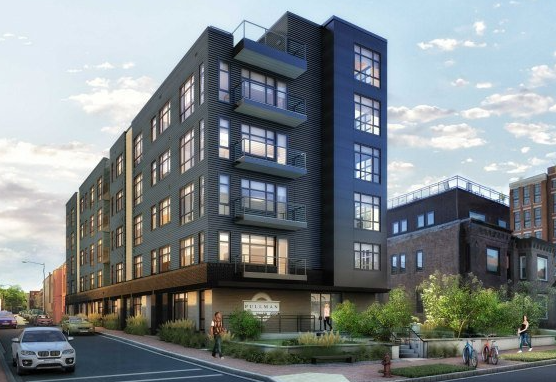
Right-Sized the Opportunity —Rather than pursue a large-scale condominium development in a challenging financing environment, Northridge selected a boutique project with a more manageable risk profile.
-
Leveraged Local Relationships —Established relationships with local joint venture and development partners helped source the opportunity, secure financing and execute the development.
-
Invested Behind a Long-Term Urban Thesis —The project reflected Northridge's conviction that well-located infill assets near major employment centers and transportation nodes would benefit from demand for walkable, amenity-rich neighborhoods.
Outcome
Northridge and its development partner closed construction financing in October 2015 and successfully executed the development. The project outperformed its original underwriting, driven primarily by condominium sales prices that were stronger than projected. The result validated both the decision to pursue a right-sized infill project and the broader thesis around demand for well-located urban housing.
Want to Learn More About This Investment?
Connect with the Northridge team member who led or knows the deal.